
A Practical Guide to Selling Smart, Selling Fast, and Getting the Most Money
Selling a home is one of the biggest financial transactions most people will ever make. Done right, it can set you up for your next chapter with money in your pocket and confidence in your step. Done wrong, priced too high, skipping the inspection, picking the wrong agent can cost you months of stress and thousands of dollars you didn’t need to leave on the table.
The good news is that selling a home is a process, and processes can be learned. There are ten clear steps between deciding to sell and sitting down at the closing table. Follow them in order, don’t skip any, and you’ll be in the best possible position to get the outcome you’re looking for.
“Selling a home is a process, and processes can be learned. Follow these ten steps and you’ll be in the best possible position to get the outcome you’re looking for.”
At A Glance: Your 10-Step Roadmap
- Build Your Game Plan Before Selling
- Find the Agent Who You Can Trust
- Know What You’re Selling Before Buyers Find Out
- Prepare Your Home to Make a Listing First Impression
- Price it to Attract Buyers, Not to Scare them Off
- Go Live and Open Your Doors – Every Chance You Get
- Read Every Offer for What It’s Really Worth
- Work Through the Back-and-Fourth Without Losing the Deal
- Keep the Deal on Track Through Due Diligence
- Sit Down at the Closing Table and Walk Away Paid
Why Are You Selling Your Home?
Before you dive into timelines and agent interviews, there’s a question worth sitting with honestly: why are you selling? It sounds simple, but your answer shapes almost every decision you’ll make throughout this process: your pricing strategy, your flexibility on terms, your timeline, and how much stress you’re willing to absorb along the way.
Upsizing or downsizing. If your family has grown and your home no longer fits, or your kids have moved out and the house feels too big, you’re selling from a position of choice. That’s the best place to be. You can be patient, wait for the right offer, and time your move around what works for your family rather than what the market demands of you.
Relocating for work or lifestyle. A job change, retirement, a desire to be closer to family are among the most common reasons people sell, and they often come with a real deadline. If you need to be somewhere by a certain date, that timeline becomes one of the most important variables in your sale. It affects how aggressively you price, how much you negotiate, and whether you can afford to wait for a better offer.
Financial reasons. Some sellers are looking to cash out equity built up over years of ownership. Others are dealing with a change in circumstances divorce , job loss, an estate that makes selling the necessary and right next step. There’s no judgement here. Knowing your financial floor going in helps you negotiate from clarity rather than anxiety.
Ready for something new. Sometimes the reason is simply that you’ve outgrown the home not in square footage, but in what you want your life to look like. A different neighborhood, a different community, a property that better suits who you are now. That’s a completely valid reason to sell, and it’s more common than people admit.
Whatever your reason, be honest about it, especially with your agent. The more clearly they understand your motivation and your constraints, the better they can tailor a strategy that gets you where you need to go. A seller with a hard deadline needs a different approach than a seller who can afford to wait six months for the perfect offer. Neither situation is better or worse; they just require different plans.
“Your reason for selling is the compass that guides every decision that follows pricing, timing, negotiation, how much flexibility you can afford to give.”
Step 1: Build Your Game Plan Before Selling

The sellers who have the smoothest, most profitable experiences are almost always the ones who spent time planning before they made a single move. Selling a home involves dozens of interconnected decisions: repairs, agents, photography, pricing, showings, offers, closings and when you try to figure it out as you go, things get missed, timelines slip, and stress compounds.
The most practical place to start is your desired move date. Work backward from there. How long does closing typically take once you’re under contract? How much runway do you need to get the home ready to list? How long might it sit before an offer comes in? Mapping out a realistic sequence of events before any of it begins gives you a structure to operate from instead of reacting to every development as it happens.
Be honest about how long things actually take. Repairs almost always run longer than expected. Scheduling contractors, waiting on materials, and getting work inspected can easily stretch two to four weeks for even modest projects. Budget that time into your plan rather than hoping everything falls into place.
Pro Tip: if you’re purchasing your next home at the same time you’re selling, rope both transactions into a single coordinated plan from day one. Trying to manage them separately is one of the fastest routes to a scheduling disaster.
Step 2: Find the Agent Who You Can Trust

A great listing agent is not a commodity. The difference between an agent who genuinely understands your local market, negotiates hard on your local market, negotiates hard on your behalf, and communicates proactively and one who just inputs your home into MLS and waits can easily be worth tens of thousands of dollars in your final proceeds.
Interview at least two or three agents before making a decision. Pay close attention to how they support their suggested list price. Any agent can throw out a high number to win your listing. What matters is whether they can back it up with real, recent, genuinely comparable sales. If they can’t walk you through the data confidently, that’s a red flag regardless of how likeable they are.
The qualities that separate a good listing agent from a great one:
- Provent, recent transaction history in your specific area not just the general region
- A detailed marketing strategy with professional photography, digital advertising, and targeted buyer outreach built in
- Consistent, proactive communication feedback after showings, weekly updates, no chasing required on your end.
- The willingness to tell what you need to hear, not just what you want to hear, about price and condition
- Verifiable references from sellers they’ve worked with recently, not testimonials from years ago
Pro Tip: Pay attention to how an agent makes you feel during the interview itself. You’ll be in close contact with this person for weeks. If their communication style already feels off, it won’t improve once you’re under contract.
Step 3: Know What You’re Selling Before Buyers Find Out

One of the most expensive things a seller can do is let a buyer’s inspector be the first one to discover a problem. When that happens, you lose control. The buyer gets to decide what the issue is worth, they get to ask for repairs or credits on their timeline and they have the leverage of a signed contract while they do it.
A pre-listing inspection flips that dynamic. When you walk into the listing process already knowing the condition of your home, you make decisions from a position of knowledge rather than reaction. You can fix what makes sense to fix, price around what doesn’t, and disclose everything upfront which builds buyer confidence and dramatically reduces the chance of a deal unraveling during due diligence.
The cost is modest relative to the protection it provides. A thorough inspection generally runs a few hundred dollars. Compare that to the cost of a last-minute repair credit demanded mid-contract, or worse, a buyer who walks away entirely after discovery and the math becomes obvious.
Pro Tip: Florida’s seller disclosure laws are among the more demanding in the country. A documented pre-listing inspection creates a clear paper trail showing what you knew and when a meaningful legal protection if questions arise after the sale closes.
Step 4: Prepare Your Home to Make a Listing First Impression

Buyers form their opinion of a home faster than most sellers realize often within the first few minutes of walking through the door, sometimes before they even step inside. What they see, smell, and feel in those initial moments creates an emotional impression that shapes how they evaluate everything else. Your job before listing is to make sure that impression is the right one.
This isn’t about spending thousands on renovations. It’s about presenting the home you have in the best possible light. Clear out the visual noise. Clean everything thoroughly. Make the space feel open,well-maintained, and easy to imagine living in. Buyers need to be able to picture their own life here which is hard to do when your personal collections, bold paint choices, and accumulated belongings are competing for their attention.
- Edit every room down to its essentials when in doubt, pack it out
- Clean with the detail level of a first-time showing, not a Saturday morning routine grout, baseboards, windows, appliances
- Remove family photos, personal artwork, and anything that anchors the space to your identity
- Walk the exterior with fresh eyes the front of the home sets expectations before a buyer ever opens the door
- Swap out bold or dark paint colors for lighter, warmer, more universally neutral tones
- Confirm every light fixture works and that each room feels well-lit dark rooms photograph and show poorly
“Buyers decide how they feel about a home within the first few minutes of walking in. Staging is how you control that feeling.”
Step 5: Price it to Attract Buyers, Not to Scare them Off

Nothing affects the outcome of your sale more than where you price the home on day one. An accurate price drives buyer traffic, generates competing interest, and puts you in the strongest possible negotiating position. An inflated price does the opposite: it repels the buyers most likely to close, extends your days on market, and signals to everyone watching that something might be wrong with the property.
The goal isn’t to find the ceiling of what someone might theoretically pay. The goal is to find the price that brings the most serious, qualified buyers through the door in the shortest window of time. That’s the environment that produces the best offers, not a strategy of starting high and hoping.
What grounds a smart pricing decision is not a Zestimate or a gut feeling, it’s a thorough review of what comparable homes have actually sold for in your specific area, in the current market, in similar conditions. Your agent should walk you through that data clearly and help you understand exactly where your home lands within it.
Pricing mistakes that cost sellers money:
- Anchoring to what you paid or what you need to net the market doesn’t care about your cost basis
- Building in negotiation room in most cases, overpriced homes don’t get lowball offers, they get ignored
- Overlooking condition an updated comparable sold for more than yours will because it’s worth more to a buyer
- Using outdated peak-market sales to justify a price that today’s buyers won’t support
Pro Tip: The first ten to fourteen days on the market represent your highest window of buyer attention. Price it right from the start and you capture that energy. Price it wrong and you’re spending that same window educating the market on why your home is overpriced.
Step 6: Go Live and Open Your Doors Every Chance You Get
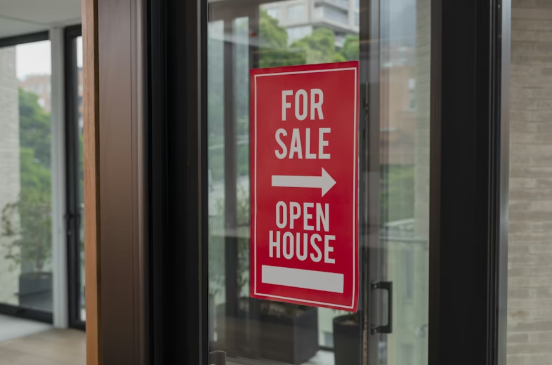
The moment your listing goes active, you’re competing for buyer attention in a crowded online marketplace. Before most buyers ever schedule a showing, they’ve already formed an opinion based on your listing photos. This is your first showing, and it happens on a screen. Low-quality photography, dark rooms, cluttered angles, a wide-angle lens used to misrepresent square footage costs you buyers who would have otherwise walked through the door.
Professional listing photography is not optional if you want to compete at any price point. Many agents now add video walkthroughs, aerial drone footage, and 3D virtual tours to the marketing package tools that have become particularly effective for reaching buyers relocating from out of state who can’t easily visit in person. The more thoroughly your home can be experienced online, the wider your buyer pool becomes.
How to handle showings the right way:
- Keep your availability as wide as possible every time you decline a showing request, you may be turning away a serious buyer
- Step out of the home entirely during showings buyers move more freely, spend more time, and connect more emotionally when the seller isn’t in the room
- Hold the home to showing-ready standards throughout the active listing period clean, bright, comfortable temperature, and free of pet odors
- Plan ahead for pets even minor distractions during a showing can break the emotional flow a buyer needs to fall in love with a home
Make sure your agent is sharing feedback with you consistently. If multiple buyers are raising the same concern about a smell, a repair, a space that feels awkward, that’s data, not noise, and it deserves a response before it becomes a pattern that keeps offers from arriving.
Step 7: Read Every Offer for What It’s Really Worth

When offers start coming in, the temptation is to sort them by price and stop there. That’s a mistake. A purchase offer is a contract, a collection of terms, conditions, timelines, and obligations and every component of it affects what you actually walk away with at closing.
A buyer offering more than list price with shaky financing, a long closing timeline, and a full slate of contingencies may represent far more risk to your bottom line than a cash buyer coming in slightly below asking with a clean contract and a 21-day close. Your net proceeds and your certainty of closing are both on the line in every offer evaluation, and a good agent will help you think through both dimensions.
What to weigh in every offer beyond the headline number:
- Financing type: A cash transaction removes appraisal risk and the possibility of a last-minute loan denial; among financed offers, conventional financing generally carries less risk for sellers than government-backed loans
- Down payment size: A buyer putting more down has more skin in the game financially and emotionally which typically means a higher probability of closing
- Earnest money: A larger deposit tells you the buyer is serious and gives you real financial protection if they attempt to exit without a valid contractual reason
- Contingency count: Every contingency is a door the buyer can use to exit evaluate which ones are standard, which ones are aggressive, and which ones you can reasonably push back on
- Closing date: A buyer whose timeline aligns with your moving plans has practical value that isn’t captured in the purchase price alone
Pro Tip: When you have multiple offers, ask your agent to put them in a side-by-side comparison across all terms. Evaluating them simultaneously makes the differences obvious in a way that reviewing them one at a time simply doesn’t.
Step 8: Work Through the Back-and-Fourth Without Losing the Deal

Signing a contract is rarely the end of the conversation. In most transactions, the inspection period opens up a second round of negotiation with buyers asking for repairs, requesting credits, or sometimes rethinking their position entirely. How you handle this phase can determine whether the deal moves forward smoothly or falls apart over something that could have been resolved.
The sellers who navigate this stage most effectively are the ones who decide their positions in advance. Before the inspection period begins, think through what you’re willing to do, repairs you’d make, credits you’d consider, and the point at which you’d rather let the buyer walk than keep conceding. Having that clarity ahead of time means you respond from a place of strategy rather than reacting under pressure.
Lean on your agent’s knowledge of what is and isn’t standard in your market. Buyers sometimes submit post-inspection requests that go well beyond what the contract or market norms would support. A good agent recognizes the difference and helps you push back on unreasonable demands without jeopardizing the transaction over something solvable.
The negotiation scenarios most sellers will encounter:
- Repair requests after the inspection: Weigh the cost of making repairs against the risk of the deal dying and consider whether a cash credit at closing achieves the same result with less friction
- A low appraisal: This doesn’t automatically kill the deal you can negotiate to meet the buyer at the appraised value, split the difference, or present your agent’s comparable data to contest the appraisal
- Requests for closing cost contributions: Common and often reasonable, but run the numbers on your actual net before you agree to anything
Step 9: Keep the Deal on Track Through Due Diligence

Once you’re under contract, the work isn’t over. It shifts. The period between an accepted offer and a closed sale is filled with conditions the buyer must satisfy before they’re legally obligated to purchase. These are contingencies, and every signed contract contains them. Your job as a seller during this phase is to understand what each one means, stay on top of the deadlines, and help the transaction move forward without unnecessary delays.
The contingencies you’ll most commonly encounter:
- Inspection period: The buyer brings in their own inspector and has a defined number of days to raise concerns, request concessions, or exercise their right to cancel. In Florida this window is typically 10 to 15 days.
- Financing approval: The buyer’s lender must formally approve the loan before the transaction can proceed. If financing falls through and this contingency is in place, the buyer can exit. Cash transactions skip this entirely.
- Appraisal clause: Protects the buyer if a licensed appraiser values the property below the agreed sale price. This contingency can be waived, and often is in competitive situations.
- Title clearance: The title company runs a search to confirm there are no liens, unresolved claims, or ownership disputes attached to the property. Clean title is required to close.
- Home sale contingency: Some buyers cannot purchase until their own home sells. This is the most risk-laden contingency a seller can accept if you do, insist on a kick-out clause that keeps the property available to other buyers.
Your agent should be monitoring every deadline in the contract and confirming that the buyer is delivering required documentation on time. Missed deadlines can give you grounds to terminate but that option expires if you don’t act on it within the contractual window.
Pro Tip: In Florida, contract deadlines are legally binding and precisely worded. If a contingency period is expiring and you haven’t received the documentation required, loop in your agent and a real estate attorney before the deadline passes.
Step 10: Sit Down at the Closing Table and Walk Away Paid

This is what all of it has been building toward. Closing day is when ownership officially transfers, the paperwork is signed, and the proceeds of your sale are released to you. If you’ve done the prior nine steps thoughtfully, this day should feel smooth because a clean closing is almost always the result of a well-managed process, not luck.
In Florida, the closing is coordinated by a title company. You’ll sign the seller side of the documents, the buyer will execute their loan paperwork if applicable, and once all funds are confirmed and the title transfer is recorded, your net proceeds are typically disbursed the same day by wire transfer or check, depending on your preference.
What to take care of before you arrive at the closing table:
- Confirm that every repair you agreed to in negotiations is complete and documented in writing
- Arrange for homeowners insurance to end or transfer on the exact date of closing
- Coordinate utility handoff with the buyer so nothing lapses between closing and their move-in
- Do a final walkthrough with your agent to verify the property is in the condition the contract requires
- Collect every key, fob, garage remote, and access code including anything for gates, mailboxes, or community amenities
Before you sign anything at the closing table, take the time to review your settlement statement line by line. It will show your sale price, every deduction, agent commission, title fees, prorated taxes, payoff amount and your final net. Ask questions about any line you don’t recognize. The title officer expects it, and understanding what you’re signing is your right.
“A smooth closing is almost never an accident. It’s the result of doing every step before it with care and intention.”
READY TO SELL? START HERE
Every home sale is different, and every seller’s situation, timeline, equity, next move, and financial goals are unique. The ten steps above give you the framework. A great local agent gives you the execution.
If you’re considering selling in Southwest Florida and want to know what your home is worth in today’s market, we’d be glad to walk through it with you. No pressure, no obligation just real data and honest advice.
Want to know what your home worth? Click here.
Cole Murray
Murray & Team | Keller Williams Island Life
📞 (941) 256-6500 | ✉️ [email protected] | 🌐 MurrayandTeam.com | @colemurraytherealtor | Ramsey Trusted Profile
13801 Tamiami Trl. Ste. A, North Port, FL 34286

